


Quinze instruments de musique de l’Égypte ancienne ont été datés par le Laboratoire de mesure du carbone 14, en collaboration avec l’Institut français d’archéologie orientale du Caire et le CNRS (HiSoMA, UMR 5189). Ces instruments de musiques composent, parmi d’autres objets, la nouvelle exposition du Louvre-Lens « Musiques ! Échos de l’Antiquité », un voyage passionnant à la découverte des musiques de l’Antiquité. .
Voir attaché
Contacts : LMC14 / LSCE-UMR 8212 : Lucile Beck et Emmanuelle Delqué-KoliÄ ; IFAO :
A. Quiles ; CNRS UMR 5189 HiSoMA:
Sibylle Emerit (commissaire de l’exposition); musée du Louvre, département des Antiquités égyptiennes:
Hélène Guichard (commissaire de l’exposition)
http://www.snoeckpublishers.be/usite/snoeckpub_frbe/index.asp?p=914&c=T6&i=621
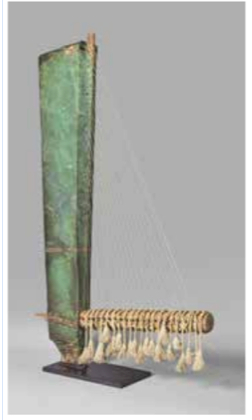 Harpe14C.jpg
 COMMUNIQUE_LMC14_v6.docx
 PHoCEA DRF - All rights reserved - Legal notice - Privacy policy - Last update: Apr 19th, 2024
