
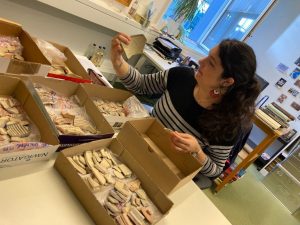
The article ‘Caprine dairy exploitation on the Iranian Plateau from the seventh millennium BC’ published in February 2026 in Nature Human Behaviour is the outcome of the European Marie Curie VARGAH project hosted at the National Museum of Natural History. It was scientifically conducted between the BioArch and LSCE research units.
When, where and from which animals did dairy farming first appear? This question remains a major challenge in archaeology. While early cow’s milk production is well documented in Anatolia and Europe, much less is known about dairy products in more eastern regions, particularly on the Iranian Plateau. The study published in Nature Human Behaviour now sheds light on this grey area, revealing that goat and sheep milk was widely consumed in the Iranian Plateau, particularly in the Zagros Mountains, from at least the 7th millennium BCE onwards.
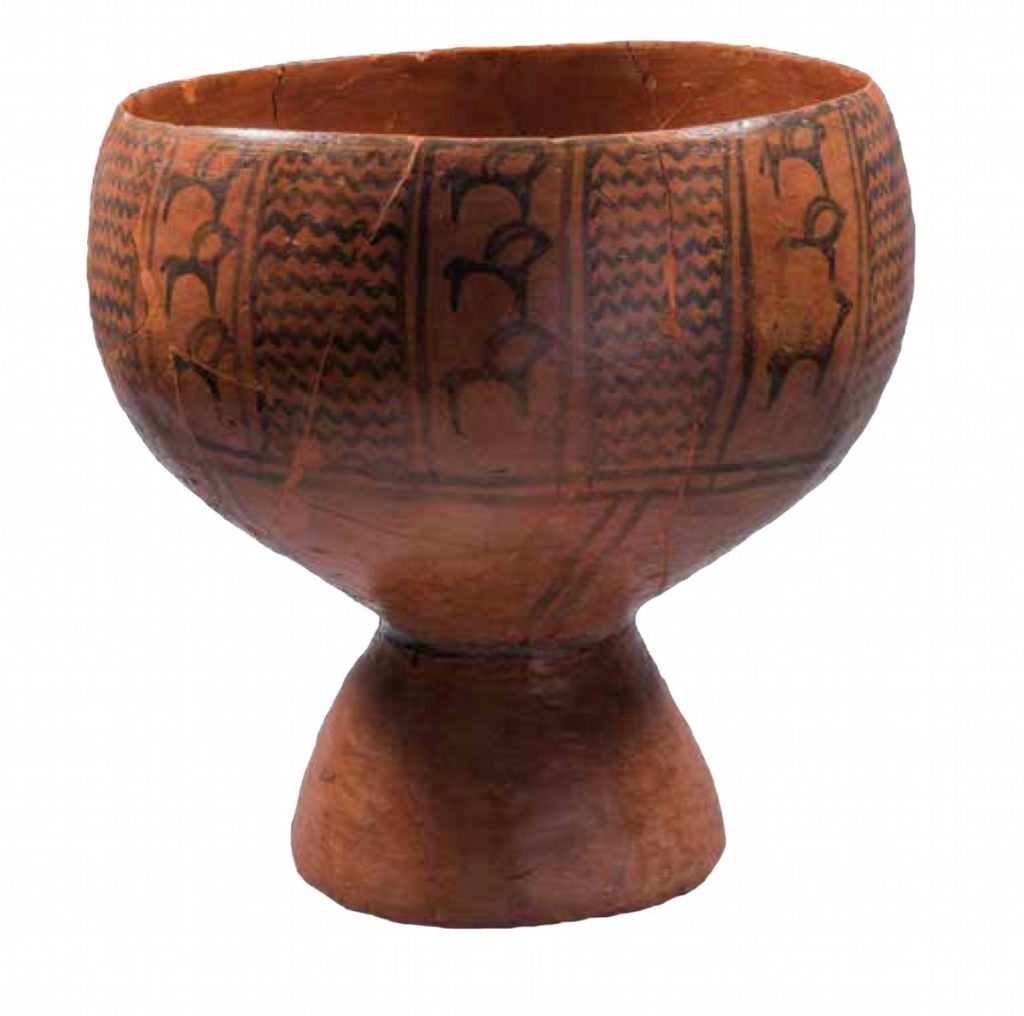
The VARGAH project explores the development of mobile pastoralism across the Iranian Plateau. It focuses on mobile and sedentary pastoral occupations during the Ceramic Neolithic period in the Zagros Mountains. Using cutting-edge techniques, more than 360 ceramics were analysed for lipid residues, including a dozen directly dated using the 14C method, and a dozen teeth with tartar were analysed for protein residues.
Archaeozoological studies on sheep and goat slaughtering methods have revealed that milk was exploited in the southern Zagros Mountains during the 8th millennium BCE, before the use of pottery. By combining lipid residues incorporated into pottery dishes with protein analyses of human dental tartar and analysis of assemblages of faunal remains, the widespread use of dairy products has been demonstrated.
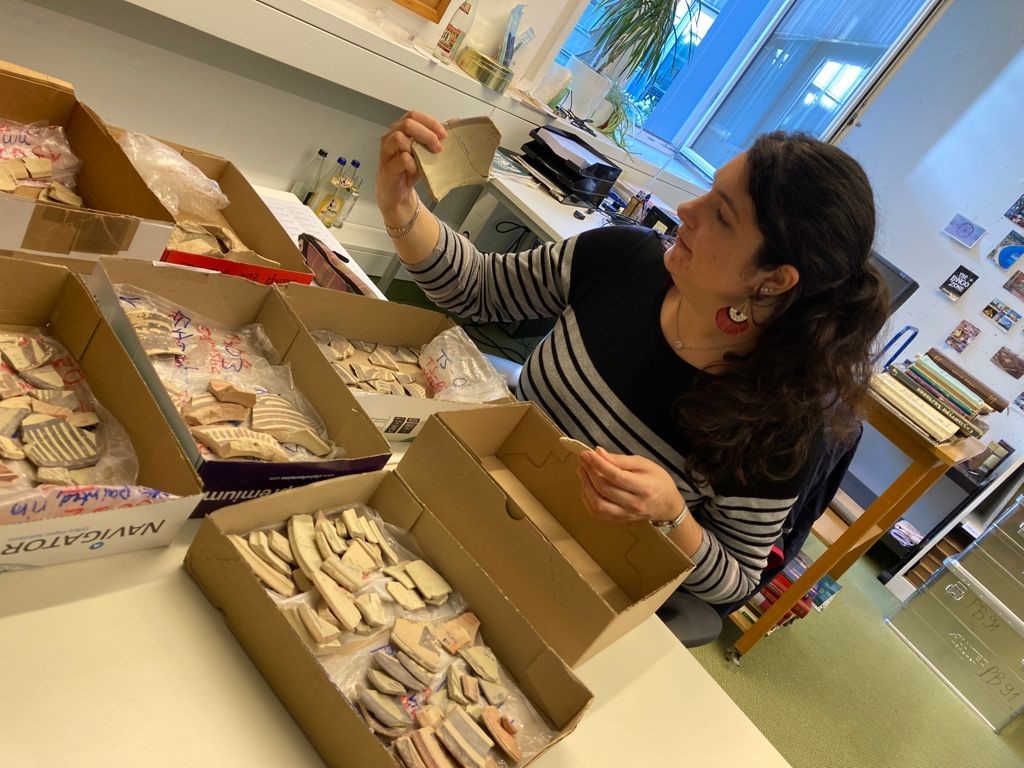
The study provides direct evidence of milk exploitation from ancient food residues. Lipids of dairy origin were directly dated by 14C at the molecular level, with the oldest residues dating back to the 7th millennium BCE. At all sites, residues of ruminant dairy products were identified in significant proportions. Milk was not a marginal resource, but the cornerstone of prehistoric pastoral subsistence for both nomadic and sedentary communities.
Prehistoric societies in Southwest Asia adopted milk consumption at around the same time, but with different animals and economic strategies. This study refines our understanding of the direct consequences of goat domestication, clarifies its chronology, and opens up new avenues for reflection on the process of domestication and dietary diversification among the populations of Southwest Asia.
Reference: Casanova, E., Davoudi, H., Zazzo, A. et al. 2026. Caprine dairy exploitation on the Iranian Plateau from the seventh millennium BCNat Hum Behav. https://doi.org/10.1038/s41562-025-02396-y