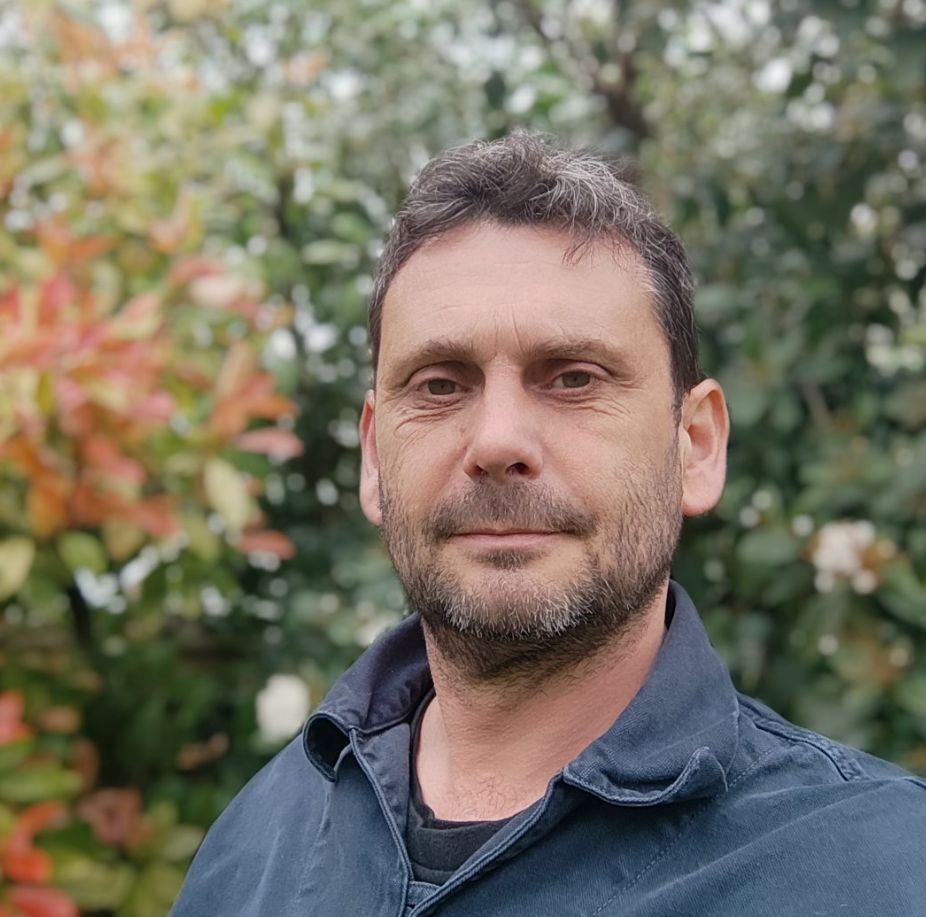
We tend to imagine geologists working far away from cities, studying sediment layers that have been forming for millions of years… However, it is wastewater and sediments deposited at the bottom of city sewers that Jérémy Jacob, director of research at the renowned Laboratory of Climate and Environmental Sciences (LSCE), has set out to analyze with other researchers in environmental sciences and the humanities and social sciences, focusing on the information they provide about residents, their practices, and the city. Details in this interview, which begins by lifting the veil on the acronym of the program he led for four years: EGOUT…
– If you had to start by describing the project you are working on, which has a rather intriguing name…
Jérémy Jacob : As you might expect, the name EGOUT is an acronym, the result of intense deliberation with my colleagues. We are pleased that it highlights the word égout (sewer), which is at the heart of the approach. To achieve this result, however, we had to go through English: Extended Geochemical Observation of Urban Trajectories – in French, this would be OGTU, for Observations Géochimiques des Trajectoires Urbaines.
Of all the words in our acronym, observations is the most important, given that these can go hand in hand with retro-observations, based on samples that provide information about past phenomena, preferably over the long term. From this point of view, the fact that I am a geologist is not insignificant, as my discipline is characterized by observing changes that have occurred over a long period of time.
The originality of EGOUT lies in combining observations of phenomena that have occurred in recent years with observations of phenomena that occur on a daily basis. Specifically, we took daily measurements of wastewater flowing through sewers, as well as measurements based on sediments accumulated over time.
The range of possibilities for what can be observed in this wastewater and sediment is very broad, so we risked getting lost in the data collected. Cities of a certain size are themselves forced to divide their organization into as many departments as there are themes and, therefore, possible data: health, environment, urban planning, mobility, etc. Within the framework of EGOUT, we therefore decided to focus our attention on data that we do not spontaneously think of but which can nevertheless provide valuable information.
Read the full article of the journalist Sylvain Allemand