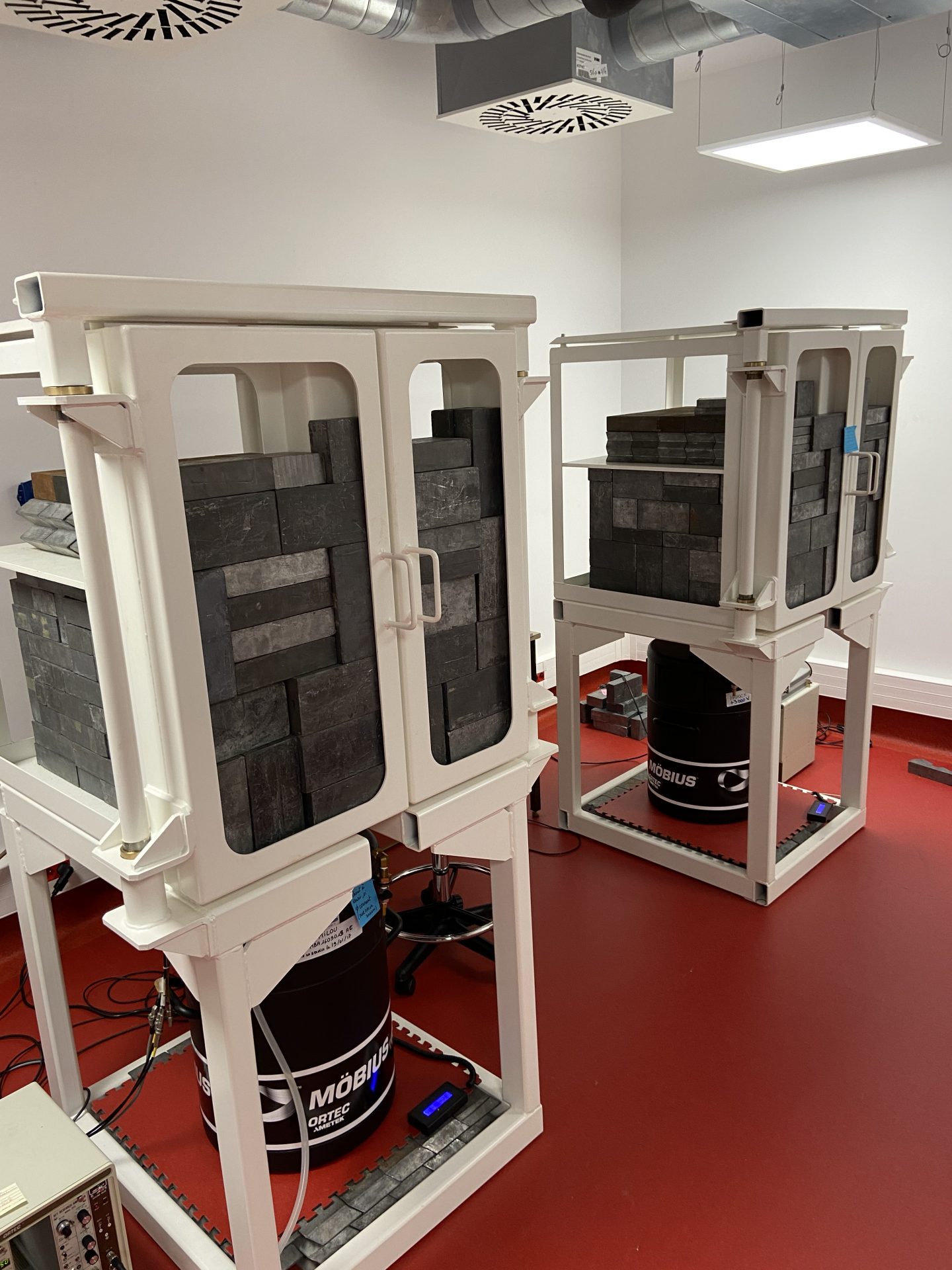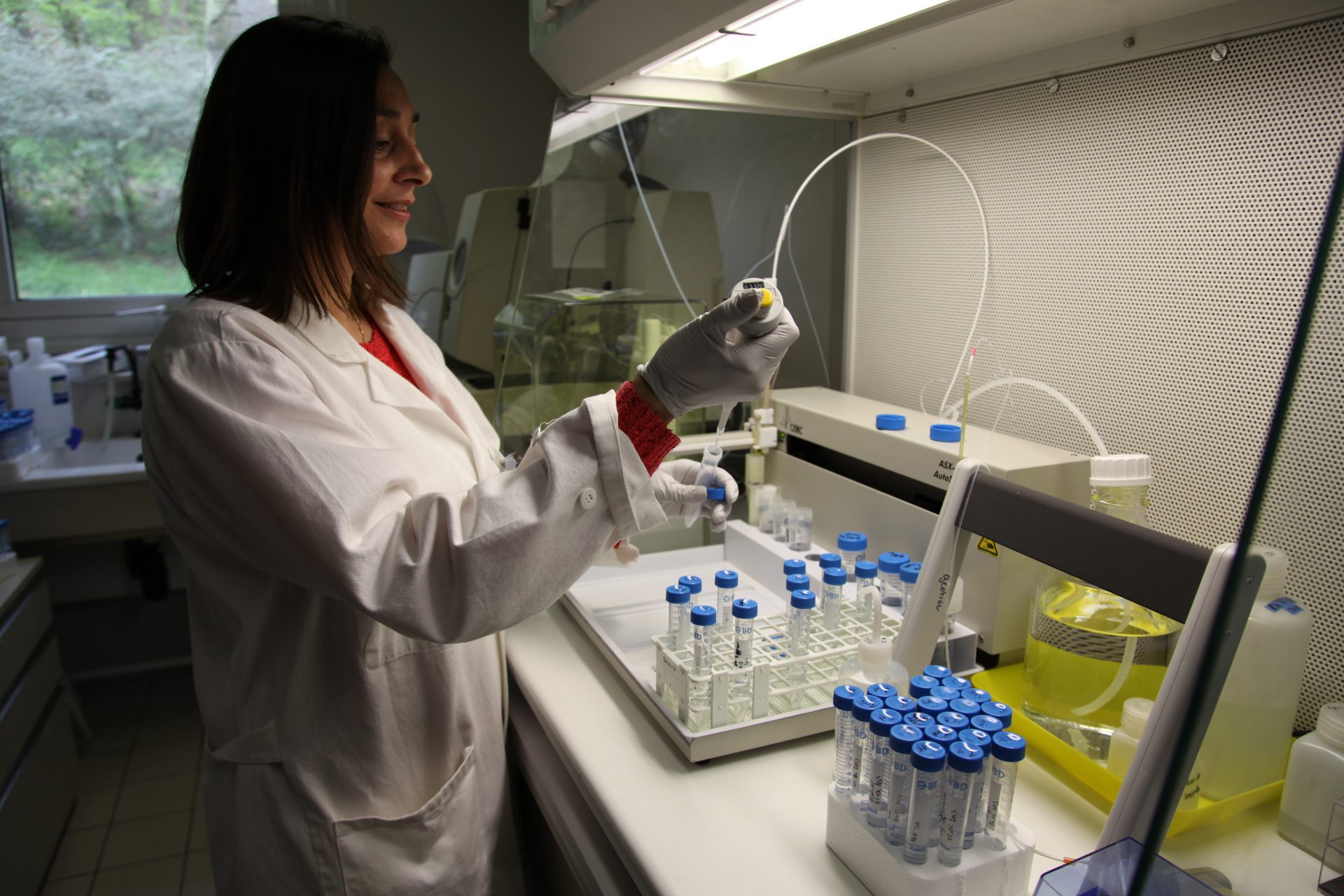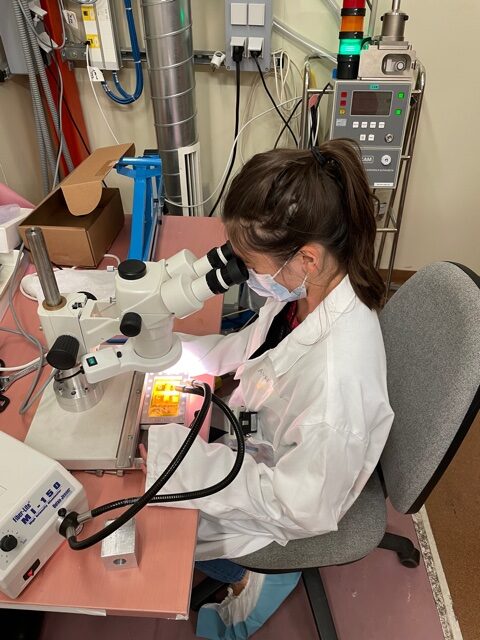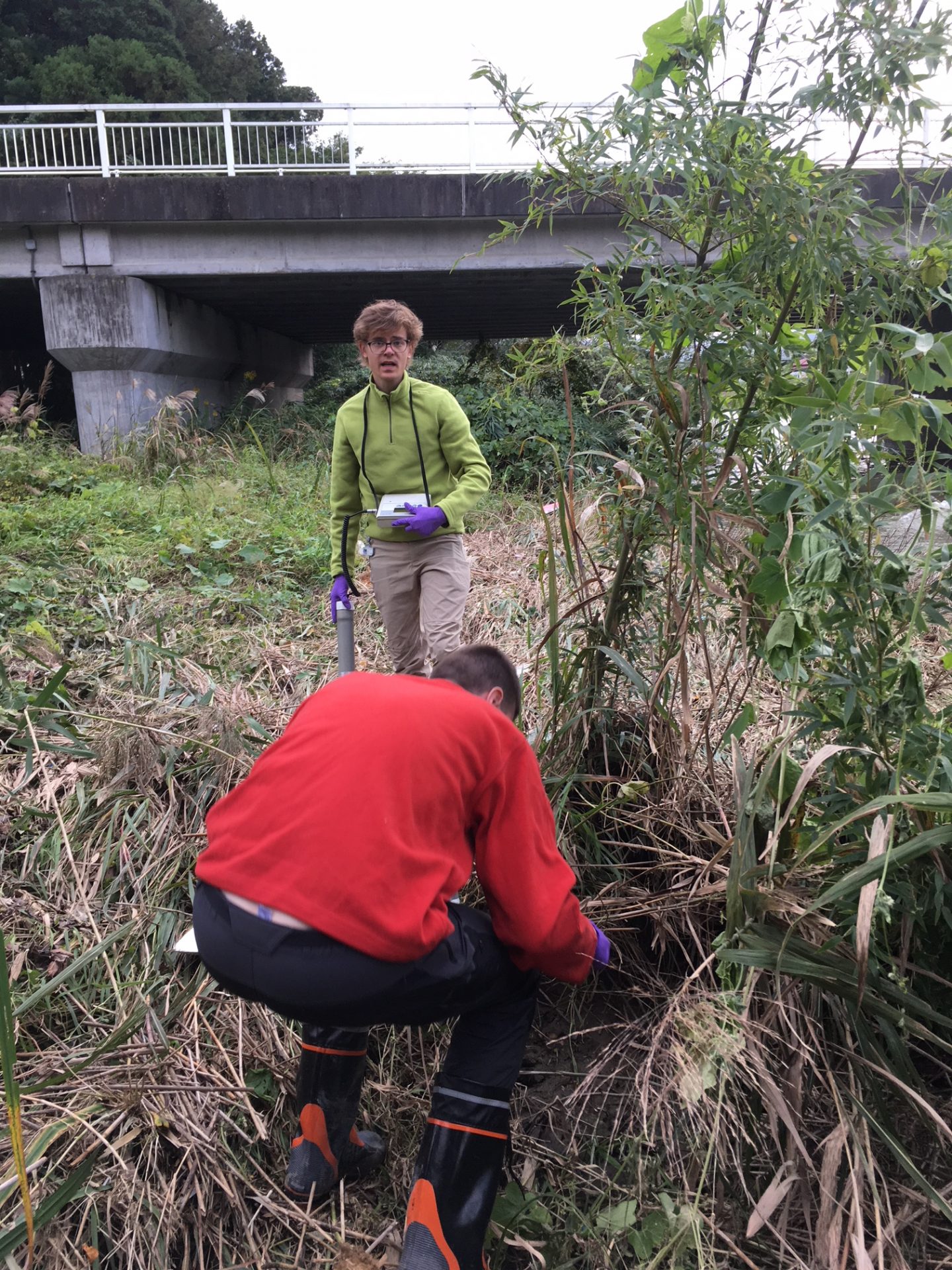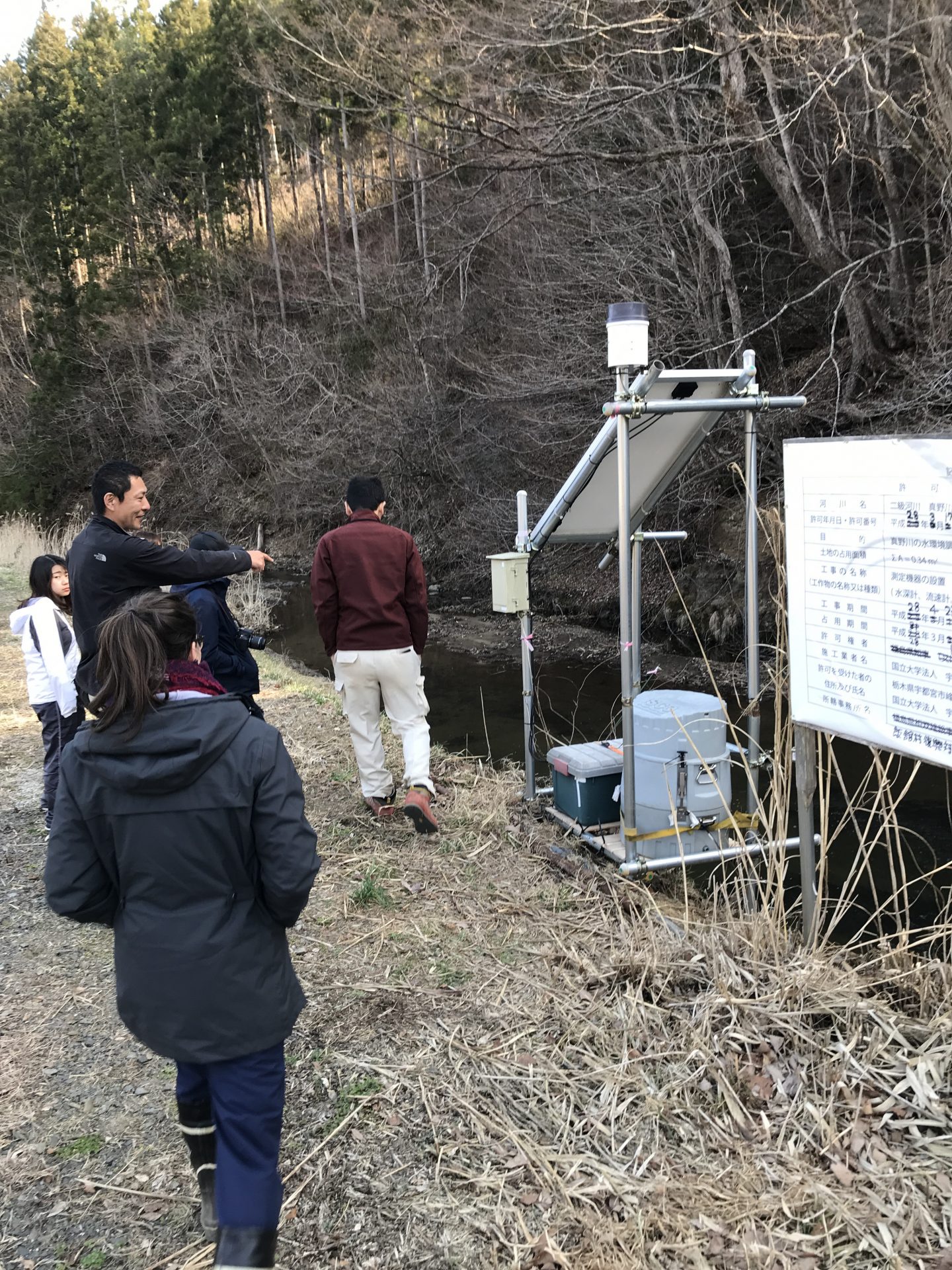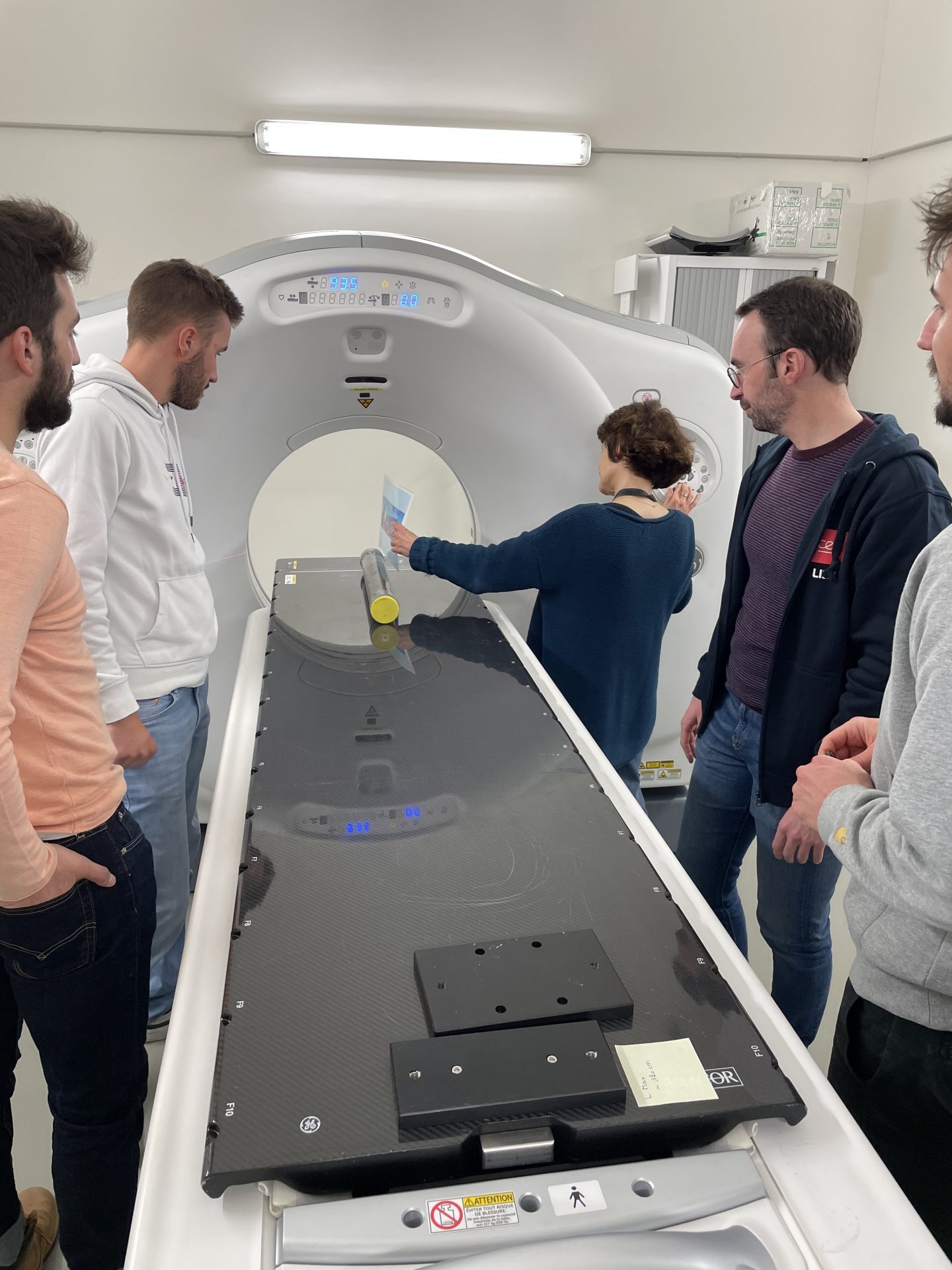
The team has the required skills to analyse radioactive tracers and trace elements in the environment using a wide range of techniques, such as ICP-QMS, MC-ICP-MS and gamma spectrometry, and has access to dedicated chemistry laboratories including a clean room. It has access to shared equipment including XRF core scanner, CT scan facilities, etc. It also conduct fieldwork using a panel of techniques (including sediment coring from a specifically designed field catamaran).
fingR is an R package designed for deploying sediment fingerprinting studies. It includes a dataset characterisation module (physico-chemical properties of sources and sediment), a module of tracer selection, and source contribution modelling using the Bayesian Mixing Model (BMM) and MixSIAR. Developed by students of the GEDI team (Thomas Chalaux-Clergue and Rémi Bizeul), the fingR package is available on Github and archived on Zenodo.
RainErosivity is an R package designed by Thomas Chalaux-Clergue to identify erosive events within rainfall data records, to calculate rainfall erosivity indices and synthesize precipitation datasets (rainfall duration and cumulative precipitation). The RainErosivity package is available on Github and archived on Zenodo.
The sedimentR package designed by Romain Ducruet and Amaury Bardelle provides tools to identify stratigraphic structures in sediment cores from geochemical records obtained with an X-Ray Fluorescence (XRF) core scanner. The sedimentR package is available on Github and archived on Zenodo.