February 22–27, 2026: OCEANIS to participate in the Ocean Science Meeting in Glasgow
From the 22 to 26 of Februray 2026, the Ocean Sciences Meeting 2026 was hosted in Glasgow, Scotland. Co-organized by the American Geophysical Union and the Association Sciences of Limnology and Oceanography (ASLO) , this conference is the world’s largest meetings in the field of ocean sciences, attracting over 6,000 participants from around the world. Two team members had the opportunity to present their work there, providing the team with a great opportunity to make a name for itself on the international stage.
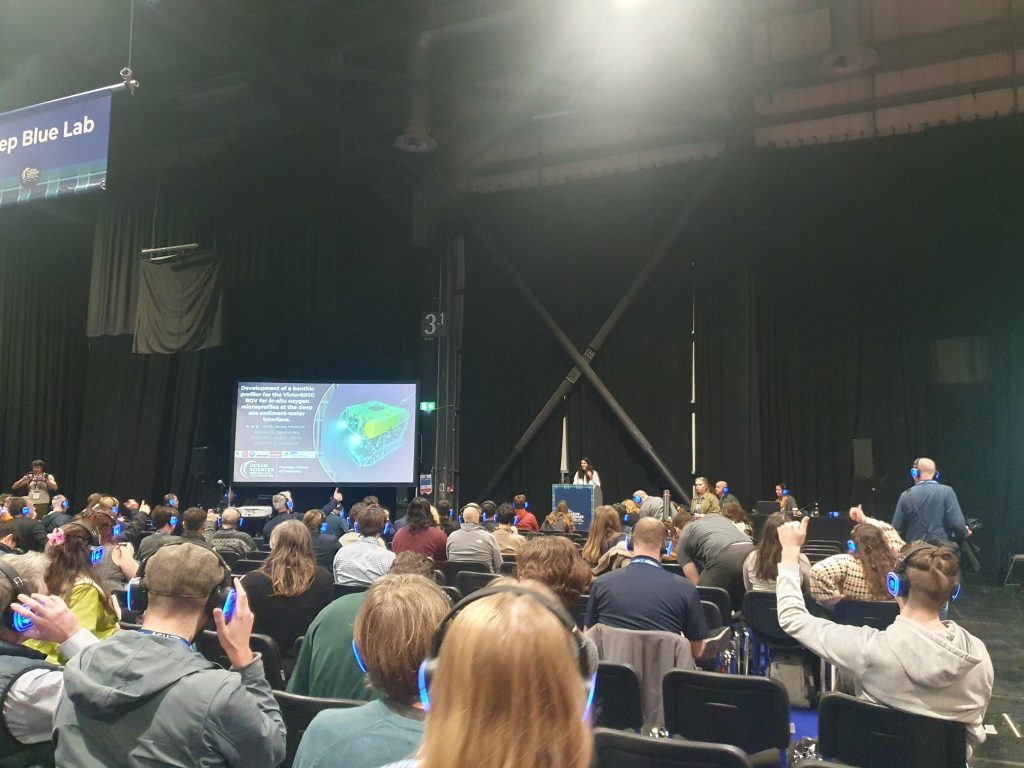
Eva Ferreira presented the results of the final chapter of her recently defended thesis “Benthic fluxes and carbonate dynamics in the Rhône Prodelta: Insights from new spatial coverage and high resolution measurement “. She also gave a second oral presentation on her postdoctoral project to develop a benthic profiler for the Victor6000 ROV for in-situ microprofiles at the water-sediment interface in the deep ocean, a topic that is part of the Deepsea’nnovation project co-led by the team with DT-INSU and Ifremer. Ocea van Loenen, third-year PhD student on the team, presented a poster outlining a chapter of her thesis, which focuses on winter monitoring of benthic processes in the Rhône prodelta, including measurements of dissolved inorganic carbon (DIC), total alkalinity (TA), and oxygen to assess the impact of winter floods on the benthic biogeochemistry of this coastal system.
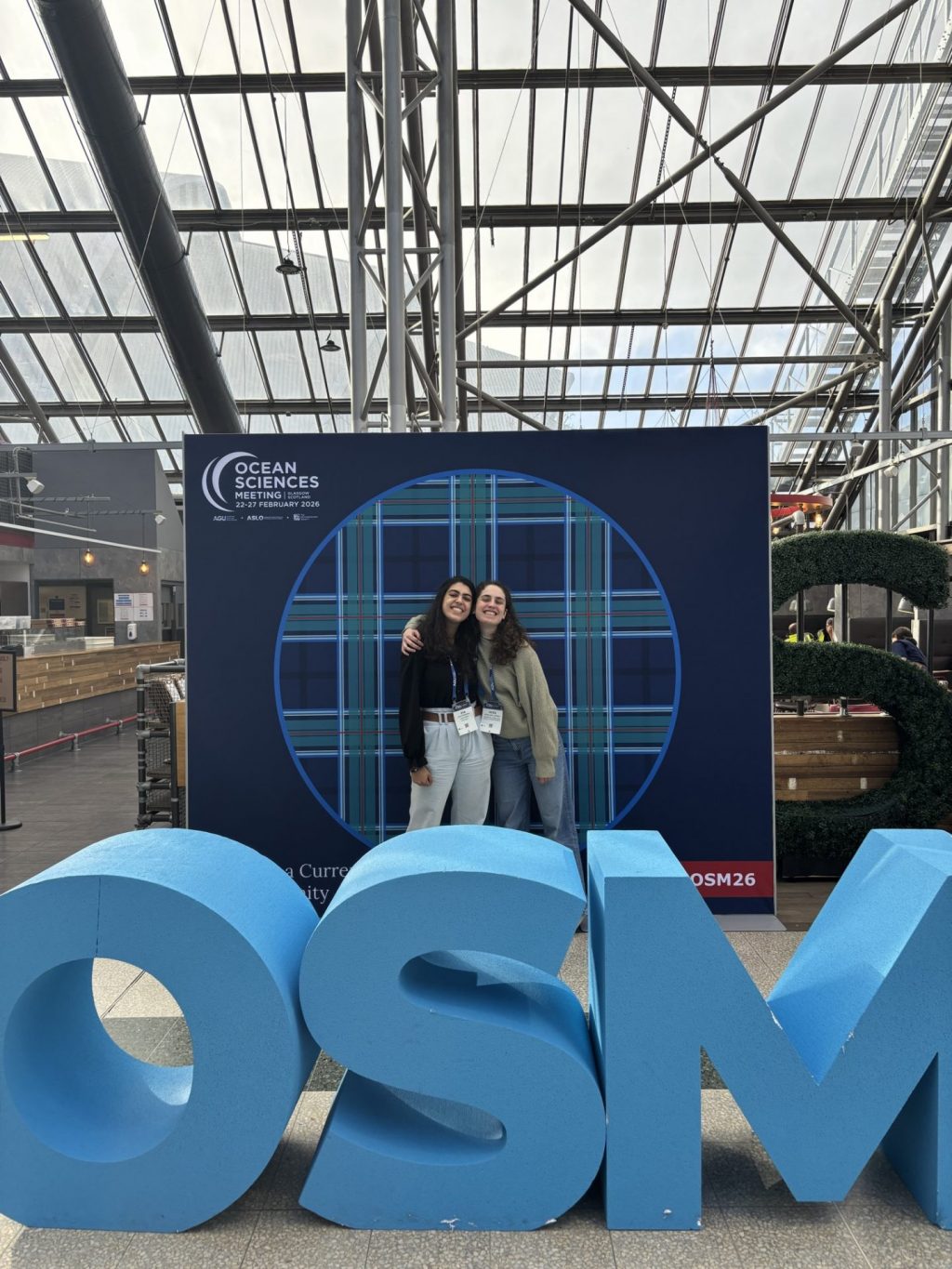
In addition to these presentations, Eva Ferreira also co-chaired, as an early-career chair, a session (OB21) dedicated to benthic biogeochemistry. This session was organized in collaboration with Cristina Schultz (Northeastern University, USA), Jessica Luo (NOAA, USA), and Lisa Herbert (Florida State University, USA) highlighting the team’s standing and the international recognition of OCEANIS’s work.
This participation provided an opportunity for our young researchers to engage in fruitful exchanges with scientists from around the world, to enrich their thinking, and to foster new scientific perspectives for the team’s current and future work, as well as for the rest of their careers.